
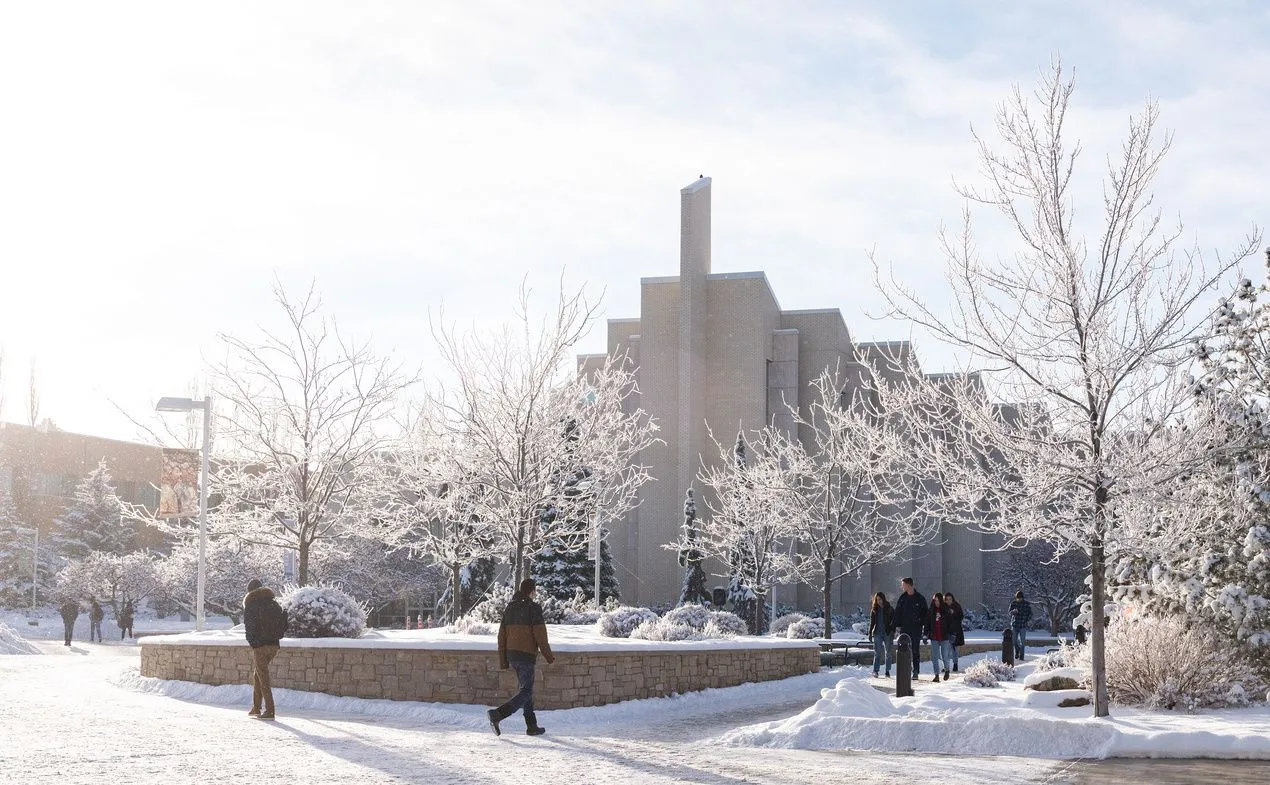
BYUI-TW Student
Become the mighty oaks all over the earth
Top 3 Categories of Student Struggleness

Adaptative & Living Challenges
Universities and support systems can help international students navigate their challenges through comprehensive, multi-dimensional approaches. Dedicated international student offices can provide crucial support by offering language assistance programs, cultural orientation workshops, and peer mentorship opportunities that help students acclimate more smoothly. Mental health counseling services specifically tailored to international students' unique experiences can address psychological challenges, providing culturally sensitive support for managing stress, homesickness, and cultural adjustment...
Learn more

Academic Overwhelm
Academic support for international students requires a multifaceted approach to address their unique challenges. Universities can implement specialized academic coaching programs that provide one-on-one guidance to help students understand American academic expectations, including critical thinking skills, classroom participation norms, and research methodologies. Structured workshops on academic writing, time management, and study strategies can equip students with practical tools to navigate complex coursework. Peer mentorship programs, where upper-level international students or culturally sensitive graduate assistants provide guidance, can offer invaluable support and insider perspectives on academic success...
Learn more

Career Uncertainty
Addressing career uncertainty requires a proactive and comprehensive approach that begins early in the academic journey. University career centers can develop specialized programs for international students that include visa-specific career counseling, helping students understand work authorization options like Optional Practical Training (OPT) and STEM extensions. Targeted professional development workshops can focus on adapting to U.S. job market expectations, including resume formatting, interview skills, and professional communication nuances specific to American workplace culture...
Learn more
Common Questions
Improving your academic performance involves several key strategies:
⬥ Develop a consistent study schedule that aligns with your course load and personal energy levels
⬥ Use active learning techniques like summarization, practice tests, and teaching concepts to others
⬥ Utilize campus resources such as the learning center, tutoring services, and professor office hours
Want to know more? See here: Academic Assistance
Here are practical tips for financial stability during university:
⬥ Create a detailed monthly budget tracking all income and expenses
⬥ Look for part-time work opportunities on or near campus that fit your class schedule
⬥ Apply for scholarships, grants, and work-study programs to supplement your income
Want to know more? See here: Financial Assistance
Proactive career preparation involves multiple strategic approaches:
⬥ Start building your professional network through internships, career fairs, and professional student organizations
⬥ Develop a strong LinkedIn profile and maintain an updated resume
⬥ Seek mentorship from professors, alumni, or industry professionals in your field
⬥ Want to know more? See here: Career Assistance
Maintaining personal well-being is crucial for academic and personal success:
⬥ Prioritize regular physical exercise and maintain a balanced diet
⬥ Practice mindfulness and stress-reduction techniques like meditation or deep breathing
⬥ Establish a consistent sleep schedule and aim for 7-9 hours of quality sleep
Want to know more? See here: Life style Assistance